Tunisia
Located in the heart of North Africa, Tunisia has a rich and varied history. From its ancient civilizations to
its modern-day culture, Tunisia has something for everyone.
Tunisia has been inhabited since prehistoric times. Archaeological evidence shows that it was home to a
number of ancient civilizations including the Phoenicians, Romans, Byzantines, Vandals and Arabs. All
these civilizations left their mark on the country in terms of religion, language and culture. The country
is also known for its vibrant art and architecture from this period.
In 1956 Tunisia gained independence from France after nearly a century of colonial rule. Habib
Bourguiba was the first president of independent Tunisia and served until 1987 when he was
overthrown by Prime Minister Zine El Abidine Ben Ali in a bloodless coup d’état. Ben Ali served as
president until 2011 when he was overthrown during the Arab Spring uprising due to public discontent
with his autocratic rule. Since then Tunisia has been governed by democratically elected governments
led by President Beji Caid Essebsi who took office in 2014.
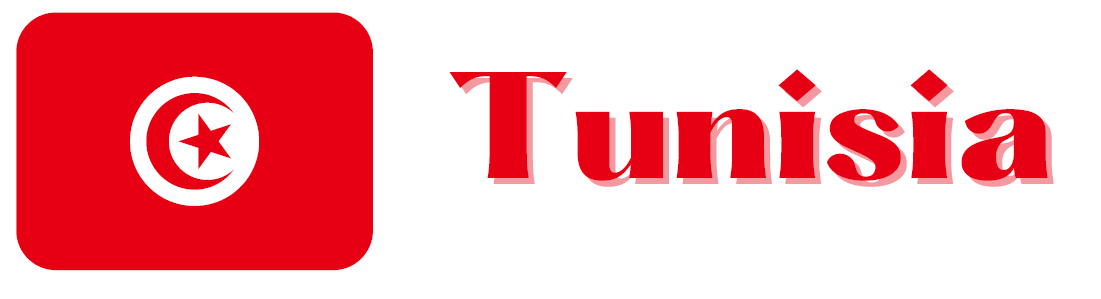
The Tunisian flag consists of a red background with a white circle in the center containing a crescent
moon and star symbolizing Islam – one of two major religions practiced in Tunisia today (the other being
Christianity). The red background is said to represent the struggle for freedom against colonialism while
the crescent moon and star are symbols associated with Islam across North Africa and beyond. Tunisian
culture is characterized by its distinctive cuisine, music and art which often reflect influences from
Europe, Asia and Africa due to its strategic location at the crossroads between east and west.
Tunisia is an incredible nation filled with history and culture that spans centuries if not millennia. From
its ancient civilizations to its modern-day democracy, Tunisians have shown strength through struggle
time after time throughout their long history. Its flag stands as testament to this resilience—red for
freedom against colonialism combined with Islamic symbols representing both past struggles as well as
present faith—and reflects why so many people around the world view Tunisia with admiration today!
Whether you’re interested in learning about ancient civilizations or want to experience vibrant
contemporary Tunisian culture firsthand, you won’t be disappointed!